

Which models for reducing working hours are feasible, inclusive, and sustainable? This question is at the heart of the new European research project OPTIME, led by Prof. Dr. Julia Backmann, Professor of Leadership & Transformation of Work at the University of St.Gallen.
The four-day week is being intensively discussed in many countries, but not every working time model is equally suitable for all companies, industries, and employees. The three-year research project OPTIME («Opportunities for Time in Employment, Environment, and Equality») therefore investigates the conditions under which shorter working hours can be successfully implemented. The project is funded by the EU research program Horizon Europe with around €3.37 million and is coordinated by the University of St.Gallen.
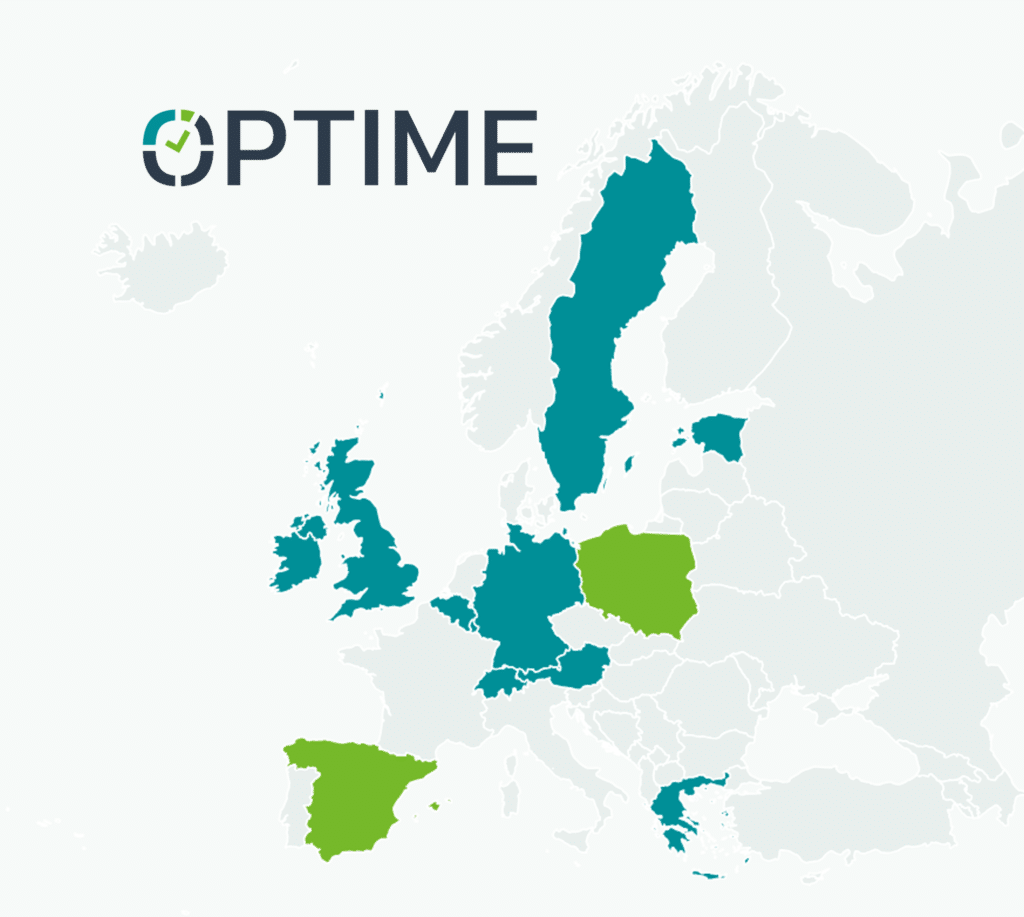
«A four-day week is one way of reducing working hours, but it is not a universal solution,» emphasizes Prof. Dr. Julia Backmann. Together with eight European partner institutions, she is examining various models, ranging from the four-day week to shorter working days. The focus is on the effects on health, performance, and equality, as well as on organizational, societal, and environmental aspects. The researchers, including two further IFPM-HSG staff members, Johannes Hüby and Konstantin Schöps, are also analyzing the role that national frameworks, industry requirements, and digital technologies play in successful implementation.
To this end, new pilot projects will be combined with existing research data, experiments, and surveys. The goal is to develop scientifically sound recommendations for action for companies and policymakers, thereby contributing to a future-proof design of the world of work.
Further information on the research project and the participating institutions can be found in the news release from the University of St.Gallen.
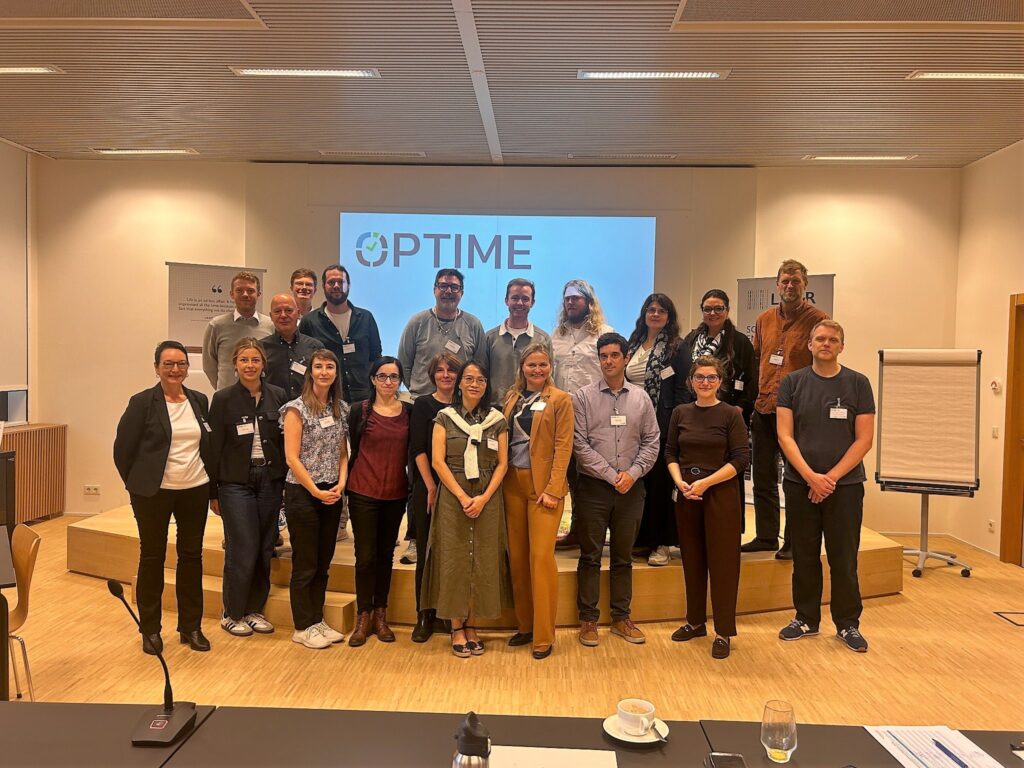
Project kick-off: Participants from the European institutions of the consortium in October 2026 in Luxembourg